


A cataract is a cloudy area in the natural lens of the eye that affects vision. As a cataract develops, the eye’s lens gradually becomes hard and cloudy allowing less light to pass through, which makes it more difficult to see.
Cataracts are the most common age-related eye condition and the leading cause of preventable blindness. Cataracts are treated by removing the eye’s cloudy natural lens and surgically replacing it with an intraocular lens or IOL.
Symptoms vary from person to person. However, common symptoms include blurred vision, light sensitivity, poor night vision, dull color vision, reduced vision in bright light, impaired depth perception, difficulty in seeing distances and numerous changes in glasses prescriptions to accommodate changes in vision.
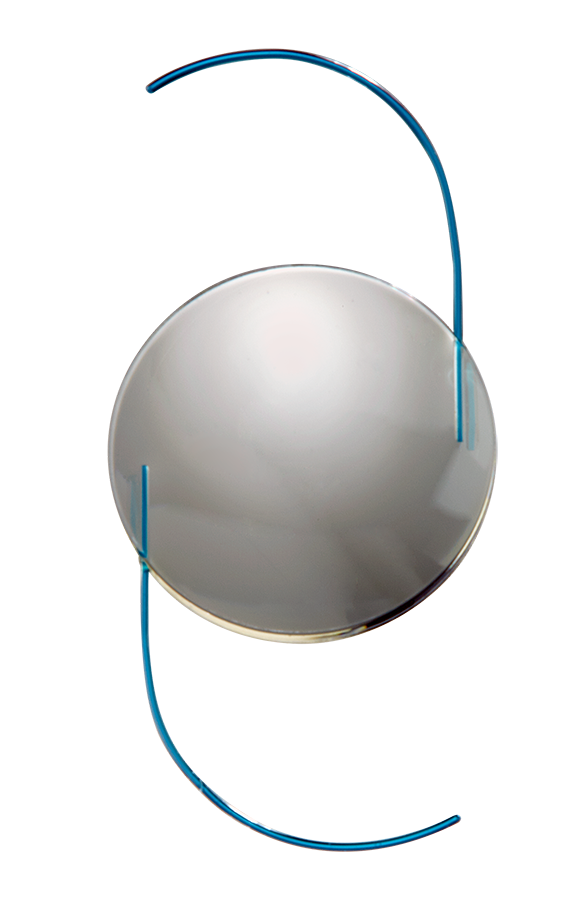
If you want to reduce your dependence on visual aids after cataract surgery, premium lifestyle IOLs fit the bill. These IOLs help to reduce or eliminate your need for glasses or contact lenses after cataract surgery. Your ophthalmologist at Carolina Cataract & Laser Center can help you choose the best IOL for the vision you want after cataract surgery.
Monofocal IOLs provide clear vision at one focal point, typically for distance vision. While they effectively treat cataracts, you may still need glasses for near and intermediate tasks like reading or using a computer. Monofocal lenses are the most common type of IOL and are usually covered by insurance plans.
Multifocal IOLs offer clear vision at multiple distances, allowing you to see well up close, at intermediate ranges, and far away. These premium lenses are designed to minimize your reliance on glasses or contact lenses for most daily activities.
Toric IOLs are designed to correct astigmatism, an irregular curvature of the cornea that can cause blurred or distorted vision. By addressing both cataracts and astigmatism, toric lenses can provide clearer, sharper vision at a single focal point, usually for distance. You may still need glasses for near vision tasks like reading.
Monofocal IOLs provide clear vision at one focal point, typically for distance vision. While they effectively treat cataracts, you may still need glasses for near and intermediate tasks like reading or using a computer. Monofocal lenses are the most common type of IOL and are usually covered by insurance plans.
At Carolina Cataract & Laser Center, we are focused on providing the very best in patient care and investing in the best technology that further improves your vision. We’re excited to offer our patients laser cataract surgery, which revolutionizes the way this procedure is performed.
Laser cataract surgery is one of the safest ophthalmic procedures you can undergo.Your surgeon uses the CATALYS laser to create a tiny, precise incision in your eye, removes the cloudy lens, and replaces it with a new one. The laser's computer control allows for a customized procedure tailored to your unique needs, resulting in the best possible vision after surgery – something not achievable with traditional methods.
The CATALYS laser used during laser cataract surgery is computer controlled. Like the personalized approach in LASIK, our laser cataract surgery allows us to meticulously tailor each procedure to the individual patient's specific visual requirements, ensuring a customized treatment plan that addresses their unique needs.
137 Gateway Drive
Ladson, SC 29456
3531 Mary Ader Ave, STE C,
Charleston, SC 29414
1011 Lake Hunter Circle
Mt Pleasant, SC 29464
125 Doughty Street, Suite 330
Charleston, SC 29403
149 Saint James Ave.
Goose Creek, SC 29445
149 St James Ave,
Goose Creek, SC 29445
9279 Medical Plaza Drive
North Charleston, SC 29406
400 Constance Street
Walterboro, SC 29488